
In today’s digital-first world, marketing is no longer about isolated campaigns or one-time promotions. Customers interact with brands across multiple channels—social media, websites, search engines, email, mobile apps, and even offline touchpoints. To keep up with this complexity, businesses need a seamless way to manage all their marketing efforts. That’s where integrated marketing systems come in.
An integrated marketing system (IMS) helps unify strategies, tools, and channels so that everything works together in harmony. Instead of running separate campaigns with inconsistent messages, businesses can create one powerful and consistent brand voice. This not only saves time and money but also builds stronger customer relationships.
In this comprehensive guide, we will explore:
- What integrated marketing systems are
- Why they matter for businesses today
- Core components of an IMS
- Benefits and challenges
- Real-world examples
- Step-by-step implementation
- Future trends
By the end, you’ll know exactly how to leverage integrated marketing systems to grow your business effectively.

What Is an Integrated Marketing System?
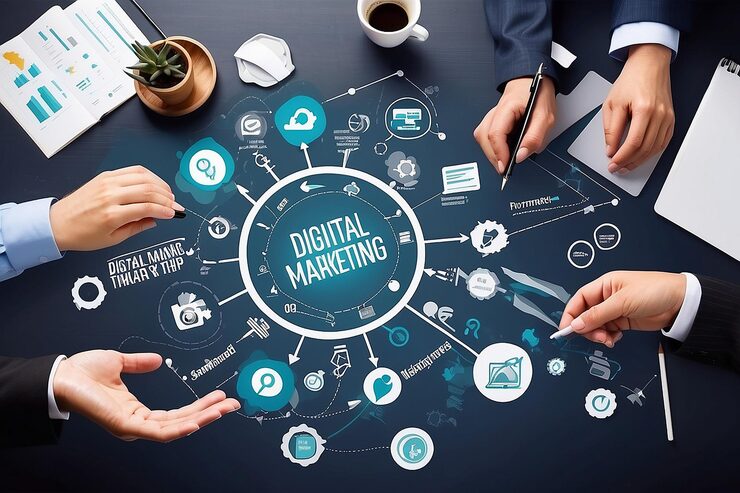
An integrated marketing system is a structured approach that brings together multiple marketing tools, platforms, and campaigns into a single, unified strategy. Instead of handling SEO, social media, email marketing, and paid ads separately, IMS ensures they all work together to deliver consistent messaging and measurable results.
For example, if you’re launching a new product, an integrated marketing system ensures your email campaign, Facebook ads, website landing page, and in-store promotion all tell the same story.
In simple words: it’s about creating one voice, one strategy, and one system for all your marketing efforts.
Why Integrated Marketing Systems Matter
Businesses that use integrated marketing systems gain a competitive edge. Here’s why:
- Consistency Builds Trust – Customers trust brands that deliver the same message across all channels.
- Efficiency Saves Resources – Instead of managing separate campaigns, businesses streamline workflows.
- Better Data Insights – Centralized tracking helps understand customer behavior more accurately.
- Higher ROI – Every dollar spent works harder when marketing is integrated.
- Improved Customer Experience – A seamless journey keeps customers engaged and loyal.
Core Components of Integrated Marketing Systems
To understand how IMS works, let’s break it into key elements:
1. Centralized Strategy
Every campaign should be guided by one clear marketing strategy.
2. Multi-Channel Campaigns
From SEO and PPC to social media, email, and offline advertising, IMS ensures channels support one another.
3. Data Integration
Collecting customer data from CRMs, analytics tools, and email software into one place improves targeting.
4. Automation Tools
Platforms like HubSpot, Salesforce, or Marketo allow campaigns to run smoothly without manual effort.
5. Analytics & Reporting
Unified dashboards provide performance insights across all channels.
Benefits of Integrated Marketing Systems
Here are the top advantages businesses experience:
- Stronger Brand Identity – Customers recognize and remember consistent messaging.
- Improved Customer Journey – A smooth experience across platforms keeps buyers engaged.
- Optimized Budgets – Businesses can spend more on what works and cut what doesn’t.
- Scalability – Easy to expand campaigns without losing control.
- Smarter Decisions – Data-driven insights help fine-tune strategies.

Real-World Examples of Integrated Marketing Systems
Coca-Cola
Every Coca-Cola campaign—TV, social media, or in-store—delivers the same core brand message: happiness and refreshment.
Nike
Nike connects online stores, apps, retail outlets, and influencer campaigns into one seamless ecosystem.
HubSpot
HubSpot’s own platform is a practical example, integrating CRM, email, automation, and analytics into one system.
How to Implement an Integrated Marketing System
Here’s a step-by-step roadmap for businesses:
Step 1: Define Your Goals
Decide if your focus is brand awareness, lead generation, or customer retention.
Step 2: Know Your Audience
Use data and customer personas to understand preferences and behaviors.
Step 3: Select the Right Tools
Choose automation, CRM, and analytics platforms that integrate smoothly.
Step 4: Align Messaging
Ensure websites, ads, emails, and social content speak the same brand language.
Step 5: Connect Your Data
Unify data sources to track performance accurately.
Step 6: Monitor and Optimize
Continuously test, refine, and improve campaigns based on results.
Common Challenges of Integrated Marketing Systems
Despite the benefits, IMS has challenges:
- High Initial Costs – Setting up tools and training teams requires investment.
- Data Silos – Different departments may resist sharing information.
- Complexity – Managing multiple platforms can be overwhelming at first.
- Change Resistance – Employees may resist learning new systems.
These issues can be overcome with leadership support and phased implementation.
The Future of Integrated Marketing Systems
The next generation of IMS will use advanced technologies such as:
- Artificial Intelligence – AI-driven personalization and targeting
- Predictive Analytics – Forecasting customer behavior before it happens
- Voice & Visual Search Integration – Adapting campaigns for new search methods
- Omnichannel Personalization – Hyper-tailored customer journeys
- IoT Integration – Marketing through smart devices and connected environments
FAQs About Integrated Marketing Systems
Q1: What is the main purpose of integrated marketing systems?
To unify all marketing efforts under one strategy, ensuring consistency, efficiency, and higher ROI.
Q2: What tools are used in IMS?
CRM software, marketing automation platforms, analytics tools, and social media management systems.
Q3: Are integrated marketing systems suitable for small businesses?
Yes, even small businesses can benefit by streamlining campaigns and delivering consistent customer experiences.
Q4: How do IMS improve ROI?
By eliminating duplicated efforts, optimizing budgets, and targeting customers more effectively.
Conclusion
In today’s competitive landscape, businesses can’t afford scattered and inconsistent marketing efforts. An integrated marketing system ensures every campaign, channel, and tool works together toward one unified goal.
The benefits are clear: stronger branding, better customer experiences, higher efficiency, and improved ROI. While challenges exist, the long-term rewards of IMS outweigh the initial hurdles.
For any business—whether a startup or a global brand—integrated marketing systems are the future of sustainable growth.
